What if the key to understanding a community lies in its rich traditions and shared experiences? Orthodox Christianity in Australia offers a unique lens through which to explore cultural and spiritual practices that shape identities and foster community.
What You Will Learn
- The historical roots of Orthodox Christianity, emphasizing its origin in the Eastern Roman Empire.
- Key liturgical practices, including the significance of the Divine Liturgy in fostering community participation.
- The role of immigration in shaping Orthodox communities in Australia, particularly post-World War II.
- Current growth trends reflecting the increased interest and participation in Orthodox Christianity.
- Strategies Orthodox communities use to navigate contemporary challenges, including secularism and modernization.
- Effective approaches to interfaith dialogue and community engagement that foster mutual understanding.
- The importance of promoting Orthodox education to ensure the continuity of faith and traditions among younger generations.
Growth Trends of Orthodox Christianity in Australia (2001-2021)
Census data highlights the steady rise and demographic shifts within Orthodox Christian communities in Australia over two decades. This growth mirrors broader trends observed in various religious groups across the nation, as detailed in our Australian Roman Catholic Church overview.
Orthodox Population Growth (2001-2021)
The number of Orthodox believers in Australia has seen a steady rise over the past two decades, indicating growing interest and participation in these communities.
Impact of Immigration
Post-World War II migration waves significantly contributed to the establishment and growth of Orthodox communities, particularly from Greek, Serbian, and Russian origins.
Demographic Shifts
Census data not only shows increased membership but also highlights changing attitudes and engagement within the broader Australian landscape, reflecting evolving demographics.
Understanding Orthodox Christianity in Australia: An Informative Overview
Orthodox Christianity represents a significant thread in the rich tapestry of Australia's religious landscape. As someone passionate about exploring diverse faiths, I appreciate how this branch of Christianity can provide unique insights into cultural and spiritual practices. At its core, Orthodox Christianity is deeply rooted in tradition, emphasizing the continuity of faith and the importance of community.
This faith tradition not only influences the lives of its followers but also contributes to broader societal values, fostering mutual respect and understanding among various religious groups. Have you ever wondered how these communities uphold their beliefs in a diverse society? The significance of Orthodox Christianity in Australia is profound, as it shapes identities and practices for many.
Defining Orthodox Christianity and Its Significance
To understand Orthodox Christianity, it's essential to grasp its foundational beliefs and practices. Orthodox Christians adhere to the teachings of the early Church Fathers, with a strong emphasis on the sacraments and the liturgical life. Unlike some other Christian denominations, Orthodox Christianity places great weight on tradition, which is seen as a living aspect of faith.
- Historical Roots: Originating in the Eastern Roman Empire, Orthodox Christianity has maintained its customs and traditions for centuries.
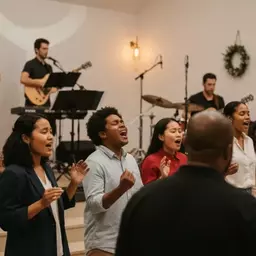
- Liturgical Practices: Worship is characterized by rich rituals, including the Divine Liturgy, which emphasizes communal participation in faith.
- Community Focus: Orthodox Christians often view their faith as a journey taken together, fostering strong communal bonds.
These aspects highlight the importance of Orthodox Christianity, not just as a belief system but as a vibrant community that enriches Australian society. The commitment to tradition and community is what draws many to explore this faith, providing a sense of belonging and identity.
Key Characteristics of Orthodox Traditions
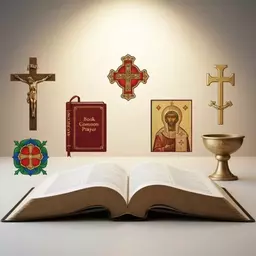
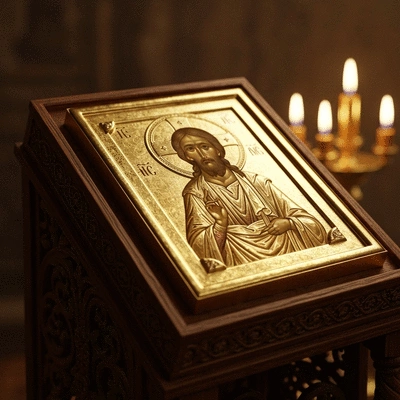
Orthodox Christianity is distinguished by a number of unique traditions and beliefs that set it apart from other Christian denominations. One of the most prominent features is the use of icons in worship, which serve as windows into the divine. These icons are not merely artistic expressions; they hold deep spiritual significance and are venerated as part of the worship experience.
- Theological Foundations: The beliefs of Orthodox Christianity stem from a Trinitarian understanding of God, emphasizing the unity of the Father, Son, and Holy Spirit.
- Sacramental Life: The sacraments play a crucial role, with Baptism, Eucharist, and Confession being central to the faith experience.
- Liturgical Calendar: The Orthodox Church follows a unique liturgical calendar that includes numerous feast days, reflecting its rich spiritual heritage.
These characteristics not only define Orthodox Christianity but also illustrate its adaptability and relevance in Australia today. Understanding these elements helps foster a deeper appreciation for the faith and its followers, encouraging dialogue and engagement within our diverse society.
Historical Journey of Orthodox Christianity in Australia
The establishment of Orthodox Christianity in Australia has a fascinating history shaped by immigration patterns. Many Orthodox Christians arrived in Australia during the post-World War II migration waves, seeking new opportunities and safety. Their stories and struggles enrich the narrative of Australian Christianity.
As we explore this historical journey, it's essential to recognize how these communities have established themselves and contributed to the broader Australian society. Have you encountered any Orthodox parishes in your travels? Each one holds a unique story waiting to be discovered! For those interested in finding local places of worship, our church locations directory in Australia can be a helpful resource.
Immigration Patterns and Community Establishment
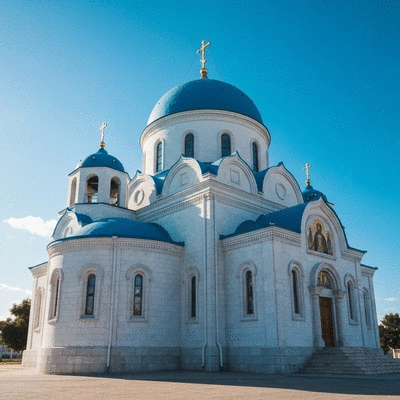
The arrival of Orthodox Christians in Australia has been marked by significant immigration trends. Initially, many Greek, Serbian, and Russian Orthodox individuals migrated during the 19th and 20th centuries, particularly in search of a better life after the hardships of conflict.
- Post-War Migration: The significant influx of Orthodox migrants post-World War II led to the establishment of vibrant communities.
- Community Organizations: Many parishes formed organizations to support newcomers, helping integrate them into Australian culture.
- Preservation of Culture: These communities strive to maintain their cultural and religious traditions while adapting to their new environment.
This journey of establishment and growth showcases not only the resilience of Orthodox Christians but also their contributions to the multicultural fabric of Australia. By creating a welcoming environment for others, Orthodox communities have enriched our society's diversity.
Growth Trends from 2001 to 2021
Recent census data provides valuable insights into how Orthodox Christianity has evolved in Australia over the past two decades. According to the latest figures, the number of Orthodox believers has seen a steady rise, reflecting the growing interest and participation in these communities.
As someone who values understanding these trends, I find it fascinating to see how demographic shifts are shaping the future of Orthodox Christianity in Australia. This growth not only signifies an increase in membership but also highlights changing attitudes and engagement within the broader Australian landscape.
Pro Tip
Did you know? Engaging with local Orthodox communities through cultural events and educational programs can significantly enhance your understanding of their traditions and values. Consider attending an open day or festival to experience the richness of Orthodox Christianity firsthand!
Frequently Asked Questions About Orthodox Christianity in Australia
Navigating Contemporary Challenges for Orthodox Communities
Orthodox communities in Australia have a rich heritage, but they also face unique contemporary challenges. As secularism grows and modernization affects various aspects of life, these communities must find ways to adapt while preserving their traditions. Balancing the past with the present is no small feat, but many organizations are actively engaging in this dialogue.
One significant challenge is the pressure to conform to modern societal norms. Many Orthodox followers feel torn between their cultural identity and the contemporary Australian landscape. This struggle often leads to vibrant discussions within the community on how best to maintain their traditions without alienating younger generations.
Adapting to Secularism and Modernization Pressures
As secularism rises, Orthodox communities are seeing shifts in how they connect with both their members and the wider society. Here are some ways these communities are adapting:
- Incorporating modern communication: Utilizing social media platforms to share teachings and events.
- Hosting community events: Engaging with the broader community through festivals, open days, and cultural exhibitions.
- Encouraging open dialogue: Creating spaces for discussion within the community about modern issues while respecting tradition.
The balance between faith and modernity often sparks interesting conversations. It’s not just about preserving the past; it’s about finding a way to lead a relevant spiritual life in an increasingly secular environment.
Strategies for Interfaith Dialogue and Community Engagement
Building bridges with other faiths is another focus for many Orthodox communities in Australia. Engaging in interfaith dialogue helps to foster understanding and cooperation. Here are some effective strategies:
- Collaborative events: Organizing joint community service projects with other faith communities.
- Educational workshops: Hosting workshops that explore common values and beliefs across different faiths.
- Participation in interfaith councils: Joining local interfaith councils to discuss community issues collectively.
These strategies not only enhance community ties but also promote a sense of belonging among diverse populations. As I’ve observed through the initiatives at Church Reference Hub Australia, fostering these relationships can lead to profound community growth and understanding.
Promoting Orthodox Education and Religious Awareness
Another crucial element for the future of Orthodox communities is religious education. Emphasizing education helps to root younger generations in their faith and traditions. Here are some ways that Orthodox churches are promoting this awareness:
- Youth programs: Establishing youth groups that focus on the teachings of the church while encouraging participation in community life.
- Religious classes: Offering classes to educate both children and adults on Orthodox beliefs and practices.
- Engaging families: Involving families in church activities to strengthen family bonds and commitment to their faith.
At Church Reference Hub Australia, we recognize that these educational initiatives are vital for the sustainability of Orthodox communities. By empowering youth and families, we help ensure that the traditions and teachings of Orthodox Christianity continue to thrive, much like other faith communities strive to do as discussed in our article on supporting rural Christian communities.
Recap of Key Points
Here is a quick recap of the important points discussed in the article:
- Orthodox Christianity emphasizes tradition, community, and the continuity of faith.
- Key practices include rich liturgical rituals, sacramental life, and a strong community focus.
- Immigration has played a significant role in establishing Orthodox communities in Australia, particularly post-World War II.
- Modern challenges include adapting to secularism while preserving cultural and religious traditions.
- Effective interfaith dialogue and community engagement strategies are crucial for fostering understanding and cooperation.
- Religious education initiatives are vital for sustaining the faith among younger generations.