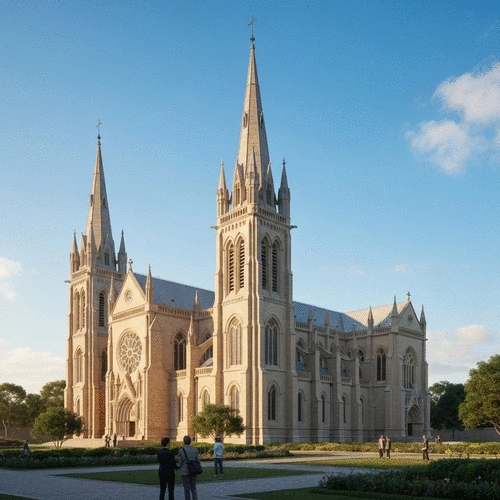
Recent discussions around the Catholic Church have brought to light a profound need for reflection on community trust and engagement. As we explore the journey of the Roman Catholic Church in Australia, let’s uncover how its history, challenges, and modern initiatives shape its role in society today.
What You Will Learn
- The Catholic Church in Australia originated with the arrival of Irish convicts, who established the first communities despite numerous challenges.
- Key milestones, such as the establishment of the church hierarchy in 1842 and the Australian Catholic Bishops Conference in 1966, significantly shaped its structure and outreach.
- Influential leaders like Bishop Polding and Cardinal Moran were pivotal in advocating for education and social justice, leaving lasting legacies.
- Modern reforms post-Vatican II have led to increased lay participation and a renewed focus on inclusivity and ecumenism within the church.
- Pope Francis's emphasis on social justice and community engagement has inspired initiatives that encourage youth participation and interfaith dialogue.
- Recent scandals have impacted community trust, prompting discussions on accountability and the church’s role in addressing contemporary societal issues.
- The church is adapting to modern society through digital evangelism and community outreach programs that support vulnerable populations.
- Interfaith dialogue initiatives are crucial for fostering understanding and respect among diverse faith communities in Australia.
Milestones and Challenges of the Roman Catholic Church in Australia
The journey of the Roman Catholic Church in Australia has been marked by significant historical milestones and more recent challenges. Below is a visual representation of key developments and impacts.
Historical Development Timeline
First Fleet & Irish Convicts arrive
Church Hierarchy established
Post-Vatican II Reforms
Digital Outreach & Social Services
Impact of Recent Scandals
- •Declined Congregation Numbers
- •Increased Scrutiny & Accountability
- •Reevaluation of Leadership
Path Forward & Modern Engagement
- •Digital Evangelism & Virtual Services
- •Community Building & Outreach
- •Interfaith Dialogue & Ecumenism
Understanding the Origins and Evolution of the Roman Catholic Church in Australia
Exploring the roots of the Roman Catholic Church in Australia unveils a rich tapestry of history that intertwines with the nation's very beginnings. The arrival of the First Fleet in 1788 marked a significant moment, introducing not only European settlers but also the early Catholic presence through Irish convicts. This early community became the foundation for what would grow into a vibrant and diverse faith across the continent.
Irish convicts played a crucial role in establishing the first Catholic communities. Their resilience and faith laid the groundwork for religious practice in a new land, often under harsh conditions. These early Catholics not only worshipped but also fostered a sense of community, supporting each other through the challenges of colonial life.
The Arrival of the First Catholics: Convict Era Insights
The First Fleet carried the first Irish convicts, many of whom were Catholic. This group faced numerous challenges as they sought to maintain their faith in a predominantly Anglican colony. Despite these obstacles, they established a sense of belonging and created early Catholic congregations. Some key aspects of this era include:
- The first Catholic mass held in 1803
- The appointment of Father John Therry and Father Philip Connolly in the early 1800s
- The establishment of the first Catholic schools in the 1820s
These milestones mark the resilience of the Catholic community during the convict era, demonstrating their commitment to faith even in the face of adversity.
Key Milestones in Australian Catholic History
As we navigate through the evolution of the Catholic Church in Australia, several pivotal events stand out. The establishment of the church hierarchy in 1842 was a defining moment, bringing structure and leadership to the growing community. This was soon followed by the 1885 Plenary Council, which addressed various issues facing the church and set a course for its future.
Another significant change came with the impact of Federation in 1901, which shaped not only the political landscape of Australia but also its religious institutions. The Catholic Church began to adapt its governance and outreach strategies to align with the new national identity. Notably, the Australian Catholic Bishops Conference (ACBC) was formed in 1966, providing a national body for bishops to collaborate on matters affecting the Church in Australia. Further information about the ACBC and its history can be found on Wikipedia and through the National Council of Churches in Australia.
- Formation of the Australian Catholic Bishops Conference in 1966
- Expansion of Catholic education across the nation
- Increased involvement in social justice initiatives
These milestones reflect the church's adaptability and commitment to addressing the needs of its community while staying true to its core beliefs.
Influential Figures Shaping the Catholic Identity
Throughout its history, the Australian Catholic Church has been shaped by influential figures whose legacies continue to resonate today. One key leader was Bishop Polding, who was pivotal in establishing a structured Catholic presence in Australia. He recognized the importance of education and social welfare, advocating for the establishment of schools and institutions that catered to the needs of the Catholic community.
Another notable figure is Cardinal Moran, whose leadership in the late 19th and early 20th centuries helped to unify the church and strengthen its influence. His commitment to social justice and the welfare of the marginalized left an indelible mark on the church's identity in Australia.
Modern Developments Post-Vatican II
The Second Vatican Council (Vatican II) in the 1960s marked a profound transformation in the Catholic Church, altering its approach both globally and locally. In Australia, these reforms aimed to make the church more engaged and relevant to modern society. Changes included revised liturgical practices, increased lay participation, and a renewed focus on ecumenism.
Today, many of these reforms resonate within the Australian Catholic community, emphasizing inclusivity and outreach. As we look at these developments, it’s clear that the church continues to adapt while holding on to its rich traditions.
The Role of the Pope in Australian Catholicism
Pope Francis has had a significant impact on the Australian Catholic Church, emphasizing themes of mercy, social justice, and community engagement. His messages resonate deeply with the Australian Catholic community, encouraging active participation in local and national issues. With a strong focus on environmental stewardship and social justice, Pope Francis has inspired many Australians to engage more meaningfully with their faith.
Some initiatives influenced by the Pope's guidance include:
- Encouraging youth involvement in church activities
- Promoting interfaith dialogue and community service
- Advocating for the rights of indigenous peoples and marginalized communities
Through these efforts, the Pope continues to shape the direction and mission of the Catholic Church in Australia, fostering a spirit of compassion and outreach within the community.
Engage with Us!
As we explore the evolving landscape of the Catholic Church in Australia, we want to hear from you! How have your personal experiences shaped your views on the church's role in modern society? Share your thoughts below:
Reflecting on the Legacy and Future of the Catholic Church in Australia
The Catholic Church in Australia has a rich history, but recent events have challenged its standing within society. It’s essential to consider how these scandals have affected community trust and the steps the church can take to move forward. The impact of these issues is profound, shaping perceptions and conversations around faith and community.
As a result, many individuals are re-evaluating their relationships with the church. Have you noticed how conversations about trust and transparency have become more prevalent? Engaging openly with these concerns is vital for rebuilding faith in the Catholic community.
Evaluating the Impact of Recent Scandals on Community Trust
In recent years, various scandals have rocked the Catholic Church, leading to a decline in trust among its members and the wider community. The fallout has caused many to reassess their beliefs and the church's role in society. Some key impacts include:
- Declined Congregation Numbers: Many parishes are witnessing dwindling attendance as congregants seek alternatives.
- Increased Scrutiny: There’s a heightened focus on accountability and transparency within church governance.
- Reevaluation of Leadership: Trust in church leaders has been called into question, prompting discussions about reform.
These points highlight the significance of addressing the issues transparently. The church's leaders are now called to provide answers and foster healing within the community.
The Path Forward: Engaging with Modern Society
Looking ahead, the Catholic Church must adapt to engage with modern society effectively. In our digital age, outreach has evolved, and the church is embracing new methods of communication. Key strategies include:
- Digital Evangelism: Utilizing social media and online platforms to reach a broader audience.
- Virtual Services: Offering online Mass and prayer services to accommodate congregants unable to attend in person.
- Community Building: Creating online forums to foster discussions around faith and social issues.
By embracing these modern strategies, the church can connect with younger generations and remain relevant in today’s fast-paced world.
Community Outreach: The Role of Catholic Charities and Social Services
In the face of challenges, Catholic Charities and Catholic Social Services play a crucial role in supporting communities across Australia. Their initiatives highlight the commitment to social justice and community welfare. Key outreach efforts include:
- Food Assistance Programs: Providing meals and groceries to those in need.
- Family Support Services: Offering counseling and support for families facing hardship.
- Employment Services: Assisting individuals in finding job opportunities and skills training.
These services not only provide immediate relief but also foster a sense of hope and dignity for those served. Engaging with local charities can strengthen community ties and support ongoing reconciliation efforts.
Interfaith Dialogue and Ecumenism in Australia
The Catholic Church’s commitment to fostering interfaith dialogue and ecumenism is more critical than ever. In a multicultural society like Australia, promoting understanding and respect among different faiths can help build a united community. Some initiatives include:
- Joint Community Events: Organizing interfaith dialogues and community service projects with other religious groups.
- Educational Workshops: Offering programs that educate members on different faith traditions and practices.
- Collaborative Advocacy: Working together on social justice issues that affect all faith communities.
Through these efforts, the Catholic Church is taking steps towards healing and unity, showcasing its dedication to a shared vision of compassion and respect among all Australians.
Frequently Asked Questions (FAQs)
1. How did the Catholic Church first establish itself in Australia?
The Catholic Church in Australia began with the arrival of the First Fleet in 1788, primarily through Irish convicts who established the earliest communities despite facing significant challenges in a predominantly Anglican colony.
2. What were some key milestones in the development of the Australian Catholic Church?
Key milestones include the establishment of the church hierarchy in 1842, the 1885 Plenary Council, and the formation of the Australian Catholic Bishops Conference in 1966. These events helped structure the church and expand its outreach.
3. Who were some influential figures in Australian Catholic history?
Influential figures include Bishop Polding, who established a structured Catholic presence and advocated for education, and Cardinal Moran, who unified the church and championed social justice.
4. How did Vatican II impact the Catholic Church in Australia?
Post-Vatican II reforms led to increased lay participation, revised liturgical practices, and a renewed focus on inclusivity and ecumenism, making the church more engaged with modern Australian society.
5. What role does the Pope play in Australian Catholicism today?
Pope Francis significantly influences Australian Catholicism by emphasizing social justice, environmental stewardship, and community engagement, inspiring initiatives in youth involvement, interfaith dialogue, and advocacy for marginalized communities.
6. What challenges has the Catholic Church in Australia faced recently?
Recent scandals have significantly impacted community trust, leading to declining congregation numbers, increased scrutiny, and a reevaluation of church leadership. The church is actively working to address accountability and transparency.
7. How is the Catholic Church adapting to modern society?
The church is adapting through digital evangelism, offering virtual services and online forums, and strengthening community outreach programs via Catholic Charities and social services, such as food assistance and family support.
8. Why is interfaith dialogue important for the Catholic Church in Australia?
Interfaith dialogue and ecumenism are crucial for fostering understanding and respect among diverse faith communities in multicultural Australia, promoting unity through joint community events, educational workshops, and collaborative advocacy on social justice issues.
Recap of Key Points
Here is a quick recap of the important points discussed in the article:
- The Roman Catholic Church's origins in Australia began with the arrival of the First Fleet in 1788, establishing early Catholic communities through Irish convicts.
- Key milestones include the first Catholic mass in 1803, the establishment of the church hierarchy in 1842, and the Australian Catholic Bishops Conference formation in 1966.
- Influential figures such as Bishop Polding and Cardinal Moran shaped the church's identity through education and social justice initiatives.
- Post-Vatican II reforms emphasized engagement with modern society, inclusivity, and outreach efforts within the community.
- Recent scandals have led to a decline in trust, prompting a reevaluation of leadership and a focus on accountability.
- Future strategies for the church include digital evangelism, virtual services, and community outreach through Catholic Charities.
- Interfaith dialogue and ecumenism are vital in promoting understanding and unity among diverse faith communities in Australia.