How well do you understand the distinct beliefs and practices that shape Christianity today? The variety among Christian denominations can be enlightening, providing a deeper appreciation for spirituality and community. Let's explore the key takeaways from this exploration of major Christian traditions.
What You Will Learn
- Christianity is diverse, with major denominations like Catholic, Anglican, Orthodox, Lutheran, and Baptist, each having unique beliefs.
- Understanding doctrinal differences enhances clarity and helps individuals choose faith communities that align with their values.
- Salvation perspectives vary: Catholics view faith and works as essential, while many Baptists emphasize faith alone.
- The number and significance of sacraments differ, with Catholics recognizing seven and most Protestants only two.
- Views on the Eucharist vary significantly, influencing communal worship dynamics across denominations.
Core Beliefs of Major Christian Denominations
This visual compares five significant Christian denominations—Catholic, Anglican, Orthodox, Lutheran, and Baptist—across key doctrinal areas such as authority, salvation, and sacraments.
Authority: Scripture vs. Tradition
Catholic: Scripture & Tradition are vital.
Baptist: Emphasizes Scripture alone.
Orthodox: Strong emphasis on Tradition and early church teachings.
Salvation: Paths to Faith
Catholic: Faith & works essential.
Baptist: Faith alone is key.
Lutheran: Salvation through faith, good works as response.
Role of Sacraments
Catholic: Seven sacraments, means of grace.
Protestant (general): Typically two (Baptism & Communion).
Lutheran: Emphasizes importance through grace & faith.
Eucharist / Holy Communion
Catholic: Transubstantiation (real presence of Christ).
Anglican: Beliefs range from spiritual presence to symbolic.
Lutheran: Consubstantiation (Christ present \"in, with, and under\").
Baptist: Symbolic act in remembrance.
Understanding the Core Beliefs of Major Christian Denominations
Exploring the Landscape of Christian Faiths
When we delve into the rich tapestry of Christianity, it's vital to recognize the diversity that exists among its major denominations. At the Church Reference Hub Australia, we explore five significant traditions: Catholic, Anglican, Orthodox, Lutheran, and Baptist. Each of these denominations holds unique beliefs and practices that shape the spiritual lives of their followers.
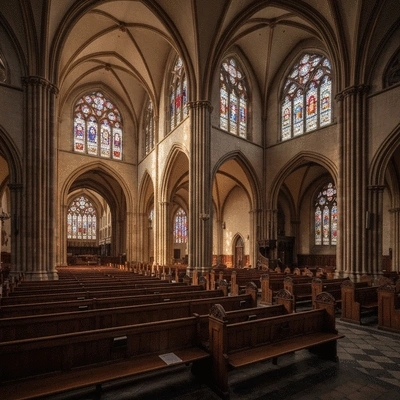
For instance, the Catholic Church emphasizes the authority of the Pope and tradition, while the Anglican Church balances scripture and tradition. Understanding these distinctions helps in appreciating the broader Christian landscape in Australia and beyond. For a deeper dive into one specific tradition, you can read our overview of the Australian Roman Catholic Church.
Why Comparing Christian Denominations Matters
Have you ever considered how important it is to grasp the doctrinal differences among Christian denominations? Understanding these differences is crucial, as they significantly impact the faith and practices of believers. For many, these distinctions help guide their spiritual journey and community involvement.
- Doctrinal Clarity: Knowing what each denomination teaches can clear up misconceptions.
- Informed Choices: Understanding beliefs helps individuals choose a faith community that aligns with their values.
- Respectful Dialogue: Knowledge fosters respectful discussions among different faiths, enhancing community relationships.
By comparing these denominations, we can better appreciate their unique contributions and roles within the broader context of Christianity in Australia. This understanding not only enriches our faith but also fosters greater unity in a diverse religious landscape.
Key Doctrinal Distinctives: A Side-by-Side Comparison
Authority: Scripture vs. Tradition Across Denominations
One of the most significant differences among Christian denominations lies in their view of authority. The Catholic Church, for example, holds that both Scripture and tradition are vital, while many Protestant denominations, like the Baptists, emphasize the authority of Scripture alone. This distinction can lead to varied interpretations of doctrine and practice.

The Orthodox Church, on the other hand, places a strong emphasis on tradition and the teachings of the early church. Understanding these perspectives helps clarify how each denomination approaches theological questions and community living. You can explore Orthodox Christianity's identity in Australia for more information on this tradition.
Salvation: Different Paths to Faith
When it comes to salvation, beliefs vary widely across denominations. For instance, Catholics believe in faith combined with works as integral to salvation, while many evangelicals stress faith alone. This fundamental difference shapes how individuals view their relationship with God.
- Catholicism: Faith and works are both essential.
- Baptist: Faith alone is the key to salvation.
- Lutheran: Believes in salvation through faith, but acknowledges the importance of good works as a response to faith.
Exploring these differences can deepen our understanding of what it means to be saved in various traditions and can guide personal reflections on faith.
The Role of Sacraments in Christian Life
Each denomination views sacraments differently, which highlights another layer of diversity within Christianity. The Catholic Church recognizes seven sacraments, viewing them as means of grace, while most Protestant denominations may only recognize two: baptism and communion.
The Lutheran Church also emphasizes the importance of sacraments but interprets them through the lens of grace and faith. Understanding these practices can enhance our appreciation for the rituals that shape Christian life.
The Eucharist and Holy Communion: Variances Across Denominations
The beliefs and practices surrounding the Eucharist, or Holy Communion, vary significantly from one denomination to another. For example, the Catholic Church believes in transubstantiation, where the bread and wine become the actual body and blood of Christ. In contrast, many Baptists view communion as a symbolic act performed in remembrance of Christ.
- Catholic: Transubstantiation - real presence of Christ.
- Anglican: Beliefs range from spiritual presence to a more symbolic interpretation.
- Lutheran: Consubstantiation - Christ is truly present “in, with, and under” the bread and wine.
These differences not only influence individual worship experiences but also affect the overall community dynamics within each denomination.
Pro Tip
Did you know? Engaging with different Christian denominations can provide valuable insights into your own faith journey. Consider attending services from various traditions, as this can broaden your understanding and appreciation of the diverse expressions of Christianity.
Frequently Asked Questions About Christian Denominations
Summarizing the Core Beliefs of Christian Denominations
As we wrap up our exploration of major Christian denominations, it's essential to recap the main themes we've discussed. From the rich tapestry of beliefs to the distinct governance structures, each denomination brings a unique perspective to the Christian faith. Understanding these differences is crucial for anyone looking to engage more deeply with the various expressions of Christianity across Australia.
- Doctrinal Differences: Each denomination—Catholic, Anglican, Orthodox, Lutheran, and Baptist—offers unique interpretations of Scripture and tradition.
- Governance Models: The way churches are structured can greatly influence their community life and practices.
- Modern Challenges: Issues such as gender roles and views on sexuality are shaping conversations within these faith communities.
Through this summary, we hope to have highlighted how these core beliefs not only define each denomination but also create a rich dialogue about faith in today's world. It’s fascinating to consider how these elements intertwine to form the diverse landscape of Christianity in Australia.
Engaging with Faith: Next Steps for Readers
Resources for Further Exploration
For those eager to dive deeper into the world of Christian denominations, the Church Reference Hub Australia has a wealth of resources at your fingertips! Here are some excellent starting points:
- Church History Overview: Understanding the historical context behind various denominations.
- Liturgy Practices: Learn about the different worship styles and their significance.
- Theological Studies: Access materials that explore key theological concepts in depth.
These resources can provide valuable insights and facilitate a more profound understanding of the Christian faith. Whether you're researching for personal growth or academic purposes, there's something here for everyone!
Join the Conversation: Share Your Thoughts
I invite you to engage with us! Your experiences and insights are invaluable to understanding the rich diversity of beliefs within Christianity. Have you encountered different practices in your own faith journey? What challenges or revelations have you faced?
- Feel free to comment below with your thoughts!
- Share your experiences with various denominations.
- Ask questions about topics that interest you.
Let's create a community of learning and sharing, where we can all grow in our understanding of faith together. I look forward to hearing from you! You can also find out more about cathedrals and churches across Australia to experience different worship environments firsthand.
Recap of Key Points
Here is a quick recap of the important points discussed in the article:
- Doctrinal Differences: Each denomination—Catholic, Anglican, Orthodox, Lutheran, and Baptist—offers unique interpretations of Scripture and tradition.
- Governance Models: The way churches are structured can greatly influence their community life and practices.
- Modern Challenges: Issues such as gender roles and views on sexuality are shaping conversations within these faith communities.
- Understanding Authority: Different denominations have varying views on the authority of Scripture and tradition, impacting their theological interpretations.
- Salvation Perspectives: Beliefs about salvation differ, with some emphasizing faith alone, while others incorporate works as essential.
- Role of Sacraments: Diverse views on sacraments highlight the richness of Christian practices across denominations.