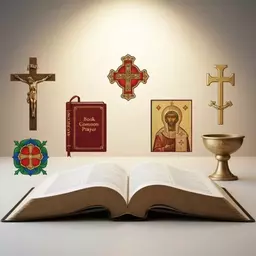
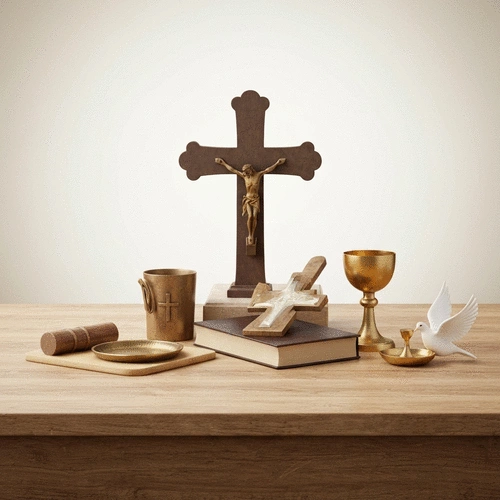
Have you ever found yourself captivated by a symbol during a church service, wondering what deeper meaning lies behind it? Understanding these symbols can significantly enhance your spiritual experience and connection to the community.
What You Will Learn
- Symbols in Christianity serve as visual reminders of key teachings and events from scripture.
- They evoke emotional connections, enhancing personal and communal worship experiences.
- Understanding symbols fosters a sense of identity and belonging within congregations.
- Symbols enhance worship rituals, making spiritual practices more tangible and relatable.
- Recognizing symbols can deepen one's engagement with church traditions and community life.
- Core symbols like the Cross and the Good Shepherd represent fundamental Christian values such as love and sacrifice.
The Power of Christian Symbols: Enhancing Faith and Community
Christian symbols are not just decorative; they are profound visual representations that encapsulate stories, doctrines, and values central to the faith. They serve as touchstones during worship and foster a deep sense of belonging within congregations. For those interested in understanding different Christian traditions, learning about the Australian Roman Catholic Church can offer valuable insights into how symbols are integrated into worship and community life.
Importance of Symbols
- ● Visual Reminders
- ● Emotional Connection
- ● Identity & Belonging
Symbols Enhance Worship
- ● Enhancing Rituals
- ● Fostering Connection
- ● Creating Memories
Engaging with Traditions
- ● Identify Meanings
- ● Discuss Significance
- ● Personal Faith Journey
Reflecting Faith Values
- ● Good Shepherd: Care
- ● Crown of Thorns: Sacrifice
- ● Olive Branch: Peace
Understanding Common Christian Symbols in Church Traditions
Christian symbols play a significant role in conveying the beliefs and teachings of the faith. They serve as visual representations of deep spiritual truths and narratives found within the Bible. Symbols can be powerful reminders of God's presence in our lives and help us connect with the essence of Christianity. At Church Reference Hub Australia, we believe that understanding these symbols can enhance your spiritual journey and foster a deeper appreciation for the rich tapestry of church traditions.
In many ways, symbols act as a universal language, one that transcends time and culture. For those of us who navigate various church communities, recognizing these symbols can make our experiences more meaningful. Have you ever attended a service and felt drawn to a particular symbol? That moment of connection is what makes understanding these symbols so vital!
The Importance of Christian Symbols
Symbols in Christianity are essential because they encapsulate stories, doctrines, and values central to the faith. They often serve as touchstones during worship, helping congregants reflect on their beliefs and the teachings of Jesus. For instance, the cross is not just a representation of Christ’s sacrifice; it embodies hope and redemption for millions of believers worldwide.
- Visual Reminders: Symbols provide a way to remember key teachings and events from scripture.
- Emotional Connection: They can evoke feelings of comfort, joy, or solemnity, enhancing personal and communal worship.
- Identity and Belonging: Symbols often unite congregations around shared beliefs and traditions, fostering a sense of community.
This importance extends beyond the church walls. As we explore our faith in everyday life, recognizing these symbols can help us articulate our beliefs more clearly. How do you see symbols shaping your understanding of your own faith journey? If you're looking to explore different church communities, our church locations directory in Australia can help you find a community where you can engage with these symbols firsthand.
How Symbols Enhance Worship and Community
Symbols are integral to worship as they deepen the collective experience of faith. They create a shared language that can express the inexpressible. For many congregations, symbols serve as focal points during worship services, helping to guide prayers, songs, and reflections. This inclusion encourages participants to engage more fully with their surroundings and the spiritual atmosphere.

- Enhancing Rituals: Symbols are often incorporated into rituals, making them more tangible and relatable.
- Fostering Connection: When congregants recognize and understand symbols, it strengthens the bonds within the community.
- Creating Memories: Symbols can leave lasting impressions that resonate long after the service has ended.
In my experience with various church communities, I’ve noticed how these symbols often become cherished elements of collective worship. They remind us that we are part of something larger than ourselves, and that can be incredibly powerful!
Core Christian Symbols and Their Historical Context
Throughout history, various symbols have emerged within the Christian faith, each carrying its own unique meaning and story. These symbols are not just decorative; they encapsulate profound truths about God, Jesus, and the Christian journey. Understanding their historical context can enhance our appreciation for the diversity of faith expressions found across different denominations.
Pro Tip
To deepen your understanding of Christian symbols, try creating a personal symbol journal. Document the symbols you encounter in your church community, noting their meanings and the feelings they evoke within you. This practice not only enhances your engagement with your faith but also creates a valuable reference for your spiritual journey.
Frequently Asked Questions About Christian Symbols
What is the primary purpose of Christian symbols?
Christian symbols serve as visual representations of key teachings, events, and values from scripture, enhancing spiritual understanding and connection within the faith.
How do symbols enhance worship experiences?
Symbols deepen worship by evoking emotional connections, making rituals more tangible and relatable, and serving as focal points for prayers and reflections.
Can understanding symbols foster a sense of belonging?
Yes, symbols unite congregations around shared beliefs and traditions, fostering a strong sense of identity and belonging within the community.
What are some core Christian symbols and their meanings?
Key symbols include the Cross (sacrifice, redemption, hope), the Good Shepherd (care, protection), the Crown of Thorns (suffering, sacrifice), the Dove (peace, Holy Spirit), and the Ichthys/Fish (Jesus Christ, Son of God, Savior).
How can I deepen my engagement with church traditions through symbols?
You can identify symbols in your place of worship, discuss their significance with others, and explore how they enhance your personal faith journey. Creating a symbol journal can also be beneficial.
Summarizing the Significance of Christian Symbols
Christian symbols play a vital role in conveying the rich tapestry of beliefs within the faith. These symbols not only represent core teachings but also foster a sense of unity among believers, serving as visual reminders of their spiritual journey. Whether through the Cross or the Dove, each symbol encapsulates deep meanings that resonate within the heart of the church community.
By understanding the importance of these symbols, individuals can appreciate their role in enhancing worship and providing a shared identity. From the solemnity of the Eucharist to the joy represented by the fish (Ichthys), these symbols encapsulate the essence of Christian traditions and beliefs.
Encouraging Deeper Engagement with Church Traditions
As you navigate your own church experiences, consider the symbols that surround you. Have you ever noticed how certain symbols can evoke feelings of peace, hope, or connection? Reflecting on these symbols can deepen your understanding of your faith and community. Exploring resources like understanding Catholic Confirmation can provide further insights into how specific traditions use symbols to mark significant spiritual milestones.
- Identify symbols in your place of worship and their meanings.
- Discuss the significance of these symbols with fellow congregants.
- Explore how these symbols enhance your personal faith journey.
Engaging with church traditions through symbols not only enriches your experience but also allows you to appreciate the diverse expressions of faith present in the community. What symbols resonate most with you?
The Role of Christian Symbols in Reflecting Faith Values
Symbols such as the Good Shepherd and the Crown of Thorns embody key Christian values—such as love, sacrifice, and redemption. Each symbol tells a story that reflects the core beliefs of Christianity and the values that guide believers in their daily lives.
- The Good Shepherd represents care and protection, illustrating God's love for His followers.
- The Crown of Thorns signifies sacrifice and suffering, reminding us of Jesus' ultimate act of love.
- Other symbols, like the olive branch, represent peace and hope, integral to the Christian message.
Recognizing and reflecting on these symbols can help strengthen your faith and connection to the community. How do these symbols reflect the values you hold dear in your own life?
Join the Conversation and Share Your Insights
I'm inviting you to join the conversation! What are your thoughts on Christian symbols? Do you have questions or experiences to share regarding their significance? Engaging with this topic can provide valuable insights for all of us.
Additionally, I encourage you to explore more about related topics, such as the symbols of Holy Week or the profound meaning behind the elements of Communion. This exploration can lead to a broader understanding of Christian traditions and enrich your spiritual journey. You might also find it beneficial to explore resources on supporting rural Christian communities, where symbols often play a crucial role in maintaining faith and connection in geographically isolated areas.
Recap of Key Points
Here is a quick recap of the important points discussed in the article:
- Visual Reminders: Christian symbols serve as visual reminders of key teachings and events from scripture.
- Emotional Connection: Symbols enhance personal and communal worship by evoking feelings of comfort, joy, and solemnity.
- Identity and Belonging: Recognizing symbols fosters a sense of community and shared beliefs among congregants.
- Enhancing Rituals: Symbols make worship rituals more tangible and relatable, deepening the collective experience of faith.
- Encouraging Reflection: Identifying symbols and discussing their meanings can enhance personal faith journeys and community engagement.
- Core Values Representation: Symbols like the Good Shepherd and Crown of Thorns embody key Christian values such as love, sacrifice, and redemption.