
Did you know that Confirmation is not just a rite of passage, but a transformative experience that empowers individuals to live out their faith? This sacrament serves as a significant milestone in the Catholic Church, marking a deep commitment to God and the community.
What You Will Learn
- Understanding of Confirmation: A sacrament that marks the full initiation into the Catholic Church, sealing the gifts of the Holy Spirit received at Baptism.
- Empowerment through the Holy Spirit: Confirmation strengthens the individual’s relationship with God, allowing for a more authentic Christian life.
- Active Participation: Encourages involvement in the Church's mission and community, fostering a sense of belonging and purpose.
- Importance of Preparation: Successful Confirmation requires understanding Church teachings, community service, and spiritual growth.
- Role of Sponsors: Sponsors provide essential support and guidance throughout the Confirmation journey.
- Continuous Faith Development: Post-Confirmation, individuals are encouraged to nurture their faith through ongoing education and community engagement.
The Sacrament of Confirmation: A Visual Guide to its Core Elements
This visual breaks down the key aspects of the Sacrament of Confirmation, illustrating its definition, importance, and biblical foundations within the Catholic Church.
What is Confirmation?
One of the three sacraments of initiation. Candidates receive the Holy Spirit’s gifts, typically conferred by a bishop with chrism oil. Seals gifts received at Baptism.
Importance of Confirmation
- Strengthens relationship with God.
- Empowers active faith life.
- Encourages Church participation.
- Deepens understanding of teachings.
Biblical Foundations
- Acts 2:1-4 (Pentecost).
- John 20:21-22 (Jesus imparts Spirit).
- 1 Cor 12:7-11 (Spiritual gifts).
- Empowerment for service.
Understanding the Sacrament of Confirmation in the Catholic Church
The Sacrament of Confirmation is a significant milestone in the Catholic faith, representing a deepening of a person's commitment to God and the Church. It is seen as a rite of passage that empowers individuals to embrace their faith more fully. But what exactly does Confirmation entail, and why is it so important in the Christian tradition? Let’s explore these questions together.
In essence, Confirmation seals the gifts of the Holy Spirit received at Baptism, marking a person's full initiation into the Church. This sacrament is not merely a formality; rather, it serves as a transformative experience that strengthens the faith of the individual. Understanding Confirmation is vital for anyone looking to deepen their relationship with the Church.
Defining Confirmation in the Catholic Tradition
What is Confirmation?
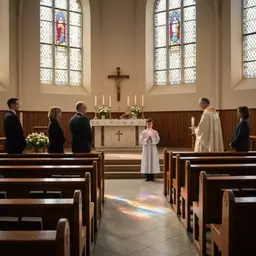
Confirmation is one of the three sacraments of initiation in the Catholic Church, alongside Baptism and Eucharist. During this sacrament, candidates receive the Holy Spirit’s gifts, which help them live out their Christian faith more authentically. Confirmation is usually conferred by a bishop, who lays hands on the candidates and anoints them with holy oil called chrism.
This moment is profound, as it signifies not only the passing of the Holy Spirit but also the candidate's affirmation of their faith. I remember my own Confirmation vividly; it was a time of personal reflection and commitment that shaped my spiritual journey.
Importance of Confirmation in Christian Life
- Strengthens the individual’s relationship with God.
- Empowers the confirmed to live out their faith actively.
- Encourages participation in the Church’s mission and community.
- Facilitates a deeper understanding of Christian teachings.
As you can see, the importance of Confirmation extends far beyond the ceremony itself. It is an invitation to embrace a life filled with purpose and spiritual growth. Each confirmed individual is called to be a messenger of God’s love, spreading that message in their daily interactions.
The Biblical Foundations of Confirmation
Scriptural Basis for the Sacrament
The roots of Confirmation can be traced back to the Scriptures. The Bible is filled with instances where the Holy Spirit empowers individuals for service and mission. For example, in the Book of Acts, the apostles receive the Holy Spirit on Pentecost, which ignites their mission to spread the Gospel.
Understanding these biblical foundations is crucial as they reaffirm the significance of this sacrament in our lives today. As a community, we can draw inspiration from these early church experiences to enhance our own faith journeys.
Historical Context and Development
Historically, the practice of Confirmation developed in the early Church as a way to affirm one’s faith publicly. Initially, it was part of the Baptism ritual, but as the Church grew, these two sacraments became distinct. Over the centuries, various theological interpretations shaped the understanding of Confirmation, but its core essence—receiving the Holy Spirit—remains unchanged.
It’s fascinating to see how these practices have evolved while still holding onto their original values. Each confirmation ceremony today connects us with a rich history that spans back to the early Christians.
Confirmation in the Bible: Key Passages
- Acts 2:1-4: The Pentecost event where the disciples receive the Holy Spirit.
- John 20:21-22: Jesus breathes on the apostles, imparting the Holy Spirit.
- 1 Corinthians 12:7-11: Discusses the spiritual gifts given through the Holy Spirit.
These passages not only highlight the significance of the Holy Spirit in the life of a believer but also serve as a reminder of the ongoing need for spiritual empowerment. Engaging with these texts can deepen our appreciation for Confirmation and its role in our faith.
Interactive Poll: Share Your Thoughts!
As you reflect on the Sacrament of Confirmation, we want to know: What aspect of Confirmation do you find most meaningful? Choose one of the options below:
Recap of the Significance of Confirmation in Catholic Faith
As we explore the importance of Confirmation within the Catholic Church, it’s essential to recognize how this sacrament serves as a profound milestone in the spiritual journey of an individual. Confirmation is not merely a ritual; it is a vital step that strengthens the bonds of faith and deepens one's relationship with God. Understanding this sacrament can lead to a more fulfilling Christian experience.
In reviewing the key elements of Confirmation, we see how it enriches personal faith and fortifies the community. This sacrament is a declaration of commitment, and it empowers individuals to live out their faith actively in everyday life.
Summary of Key Points
To ensure clarity around the significance of Confirmation, let’s summarize some of the essential aspects we’ve discussed:
- Confirmation is a sacrament that signifies the strengthening of grace received at Baptism.
- It involves a personal commitment to live a Christian life, guided by the Holy Spirit.
- Preparation for Confirmation includes understanding the teachings of the Church, involvement in community service, and spiritual growth.
- The role of sponsors is crucial, providing support and guidance throughout the journey.
By grasping these key points, candidates for Confirmation and their families can appreciate the profound impact this sacrament has on their spiritual lives.
Importance of Understanding the Sacrament
Gaining a solid understanding of the sacrament of Confirmation is crucial for both candidates and their families. It fosters a deeper connection to the Church and encourages active participation in the community. Moreover, knowing the significance of this sacrament can enhance one’s spiritual journey, making it more meaningful. At Church Reference Hub Australia, we strive to provide comprehensive resources that assist in this understanding.
It’s not just about going through the motions; it’s about embracing the faith and living it out daily. This deeper comprehension can transform lives and inspire others within the community.
Encouraging Continuous Faith Development
Confirmation is not an endpoint but rather a new beginning! After receiving this sacrament, it’s vital to continue nurturing one's faith. Engaging in ongoing education, participating in community activities, and seeking spiritual guidance are essential steps for post-Confirmation growth.
- Join parish ministries or volunteer opportunities.
- Participate in adult faith formation programs.
- Engage with prayer groups or Bible studies.
By taking these steps, individuals can cultivate a vibrant faith that impacts their lives and those around them. Continuous faith development is a journey that lasts a lifetime, and the Church is there to support each member along the way.
Frequently Asked Questions About Confirmation
- What is the Sacrament of Confirmation?
- Confirmation is one of the three Sacraments of Initiation in the Catholic Church. It seals the gifts of the Holy Spirit received at Baptism, marking a person's full initiation into the Church and strengthening their commitment to God. It is typically conferred by a bishop through the laying on of hands and anointing with chrism oil. You can learn more about this sacrament from the Catechism of the Catholic Church.
- Why is Confirmation important in Christian life?
- Confirmation strengthens an individual's relationship with God, empowers them to live an active faith life, encourages participation in the Church's mission and community, and deepens their understanding of Christian teachings. It is an invitation to embrace a life of purpose and spiritual growth.
- What are the biblical foundations of Confirmation?
- The roots of Confirmation can be traced to Scripture, such as Acts 2:1-4 (Pentecost), John 20:21-22 (Jesus imparting the Spirit), and 1 Corinthians 12:7-11 (spiritual gifts). These passages highlight the empowerment of the Holy Spirit for service and mission. For additional context, a helpful resource can be found on Catholic Answers on Confirmation.
- What is the role of sponsors in Confirmation?
- Sponsors play a crucial role in the Confirmation journey by providing essential support and guidance to the candidates. They are there to help candidates understand Church teachings, engage in community service, and foster spiritual growth.
- Does faith development end after Confirmation?
- No, Confirmation is not an endpoint but a new beginning. Individuals are encouraged to continue nurturing their faith through ongoing education, participating in community activities, and seeking spiritual guidance. This continuous faith development is a lifelong journey.
Engaging with Your Confirmation Journey
Inviting Personal Reflection and Action
As you progress on your Confirmation journey, personal reflection becomes paramount. This is a time to think about what your faith truly means to you and how you wish to express it in your life. Remember, engaging with your Confirmation experience means inviting your family and community into your journey!
Encouraging those close to you to share in this process can deepen relationships and foster a shared sense of faith. Together, you can celebrate this milestone and support one another in your spiritual growth.
Encouragement to Involve Family and Community
Involving family and friends makes the Confirmation experience even more special. It allows for shared moments that can strengthen not only your own faith but also the faith of those around you. Consider inviting your loved ones to:
- Attend preparation classes with you.
- Participate in discussions about faith and values.
- Join in community service projects aimed at helping others.
Each of these activities can create lasting memories and deepen connections, fostering a strong sense of belonging within the Church community.
Resources for Further Exploration and Learning
To continue your Confirmation journey, it’s important to seek out resources that can aid in your understanding and growth. Here at the Church Reference Hub Australia, we provide numerous materials designed to support candidates and their families. Consider exploring:
- Online courses that delve into the teachings of the Church.
- Books that explore the significance of the sacraments.
- Local retreats that focus on spiritual renewal and community.
These resources can enhance your experience, provide valuable insights, and encourage ongoing spiritual development.
Confirmation Testimonials: Experiences from the Faithful
Hearing from others who have gone through the Confirmation process can be inspiring! Testimonials provide a glimpse into the diverse experiences and reflections of the faithful. Here are some insights we’ve gathered:
- "Confirmation was a turning point in my faith. It helped me connect with my community!"
- "I felt the presence of the Holy Spirit in a way I never had before."
- "The support of my family made my Confirmation experience more meaningful than I could have imagined."
These personal stories resonate deeply and remind us that each Confirmation journey is unique, yet collectively enriching for the community at large. As you embark on your own path, remember that you are part of a vibrant tapestry of faith that spans generations.
Recap of Key Points
Here is a quick recap of the important points discussed in the article:
- Confirmation is a sacrament that signifies the strengthening of grace received at Baptism.
- It involves a personal commitment to live a Christian life, guided by the Holy Spirit.
- Preparation for Confirmation includes understanding the teachings of the Church, involvement in community service, and spiritual growth.
- The role of sponsors is crucial, providing support and guidance throughout the journey.
- Continuous faith development is essential after Confirmation, encouraging ongoing education and community engagement.