As we explore the evolution of Christianity in Australia, consider how historical contexts shape the present. The diverse expressions of faith reveal not only the past but also a pathway towards understanding community values today.
What You Will Learn
- The arrival of the First Fleet in 1788 marked the beginning of organized Christianity in Australia, with chaplains providing essential spiritual support.
- The Church of England became the dominant denomination early on, influencing law, education, and community values throughout the colony.
- Catholicism and non-conformist groups gained prominence in the 19th century, enriching the diversity of Christian denominations in Australia.
- Key figures and organizations, including early missionaries, contributed to social outreach and established foundational community services.
- The Salvation Army's focus on social justice and practical assistance has had a lasting impact on community welfare and support systems in Australia.
- Engaging with local faith communities can deepen your understanding and connection to diverse expressions of Christianity today.
Journey of Christianity in Australia: Key Milestones
An overview of the historical journey of Christianity in Australia, highlighting significant periods and influences. For a deeper dive into specific denominations, explore resources like the Australian Roman Catholic Church Overview.
Understanding the Origins of Christianity in Australia
The Arrival of Christianity with European Colonization
The story of Christianity in Australia began with the arrival of the First Fleet in 1788. This pivotal moment brought not only settlers but also the first chaplains who played a crucial role in the spiritual life of the new colony. These early chaplains, like Richard Johnson, were tasked with providing religious services and caring for the spiritual needs of the convicts and settlers alike.
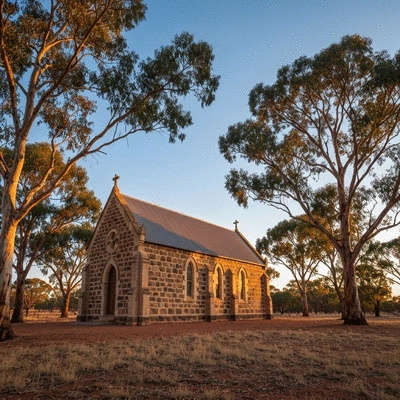
Early on, the foundation of Christian practice was laid, marking the beginning of organized religious life in Australia. They conducted services, baptized children, and even officiated marriages, setting the stage for future religious developments.
Early Religious Practices and Influences
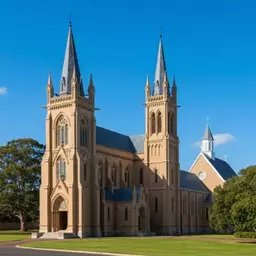
The Church of England quickly established itself as the dominant denomination in early colonial life. With its strong ties to the British government, it shaped the cultural and moral framework of the growing communities. Many churches were built in the subsequent years, reflecting the Anglican tradition and its influence across the colony.
- Establishment of the first Anglican Church in Sydney in 1804
- Influence on law and education through church-related institutions
- Role in the development of community values and practices
The Anglican Church not only provided a spiritual home but also played an essential role in the social development of the early Australian society. As you explore the history of Christianity in Australia, consider how these early influences still resonate in today’s diverse faith landscape. For a comparison of key theological and historical differences, see our article on Anglican and Catholic Church Differences.
Denominational Diversity in Australian Christianity
The Growth of Various Christian Denominations
As the population grew, so did the variety of Christian denominations in Australia. Following the waves of immigration and changing societal values, Catholicism began to rise significantly after 1866, establishing itself as a key player in the Australian religious landscape. This shift was accompanied by the emergence of non-conformist groups, each contributing to a rich fabric of faith traditions.
- Growth of the Catholic Church with significant Irish immigration
- Establishment of the Methodist and Baptist Churches
- Rise of Pentecostal movements in the late 20th century
The diverse expressions of faith that emerged reflect the dynamic evolution of Christianity in Australia, creating a mosaic of beliefs that continues to shape our communities today.
Key Figures and Organizations in Early Christianity
Key figures and organizations played a vital role in shaping early Australian Christianity. Missionaries, such as those from the London Missionary Society, traveled to Australia with the aim of spreading the Christian faith and supporting communities. Their work laid important foundations for religious practice and social outreach.
- Influence of early missionaries in Indigenous communities
- Efforts to establish schools and health services by religious organizations
- Creation of interdenominational collaborations for social welfare

As I delve into this fascinating history, I’m continually reminded of how these early efforts established pathways for faith and community engagement that resonate today in various forms.
Influence of the Salvation Army and Other Missionary Societies
The Salvation Army made a profound impact on Australian communities during the colonial period. Their focus on practical assistance and social justice initiatives helped address the needs of the poor and marginalized. With an emphasis on outreach, they created programs that provided food, shelter, and support for those in need.
- Establishment of welfare programs in urban areas
- Impact on community services and disaster relief efforts
- Role in promoting social justice and equality
This influence not only shaped the charitable landscape of the time but also continues to inspire various faith-based initiatives in Australia today, reminding us of the ongoing legacy of compassion within Christian communities.
Pro Tip
Did you know? Engaging with local faith communities can provide a deeper understanding of the diverse expressions of Christianity in Australia. Consider attending services or community events to connect with different traditions and perspectives, enriching your own faith journey.
Frequently Asked Questions About Christianity in Australia
When did Christianity first arrive in Australia?
Christianity first arrived in Australia with the First Fleet in 1788, brought by European settlers and their chaplains.
Which Christian denomination was dominant in early colonial Australia?
The Church of England quickly established itself as the dominant denomination, influencing law, education, and community values.
How did denominational diversity increase in Australia?
Diversity increased significantly after 1866 with Irish immigration leading to the growth of Catholicism, alongside the establishment of various non-conformist groups like Methodist and Baptist Churches.
What role did the Salvation Army play in Australian Christianity?
The Salvation Army made a profound impact through its focus on practical assistance and social justice initiatives, establishing welfare programs and contributing to community services.
How can I engage with Christian communities in Australia today?
You can engage by visiting local churches, participating in community outreach programs, joining interfaith discussions, or volunteering for faith-based charities.
Summarizing the Historical Journey of Christianity in Australia
Christianity's journey in Australia has been a rich tapestry woven from various threads of history, culture, and spirituality. From the arrival of the First Fleet in 1788, which marked the initial introduction of Christian values in a new land, to the establishment of diverse denominations, each phase has contributed to shaping the Australian spiritual landscape. The evolution of faith communities is marked by significant milestones that reflect the changing dynamics of society and religion.
As we look back, it’s evident that early influences, such as the Church of England, established a stronghold in colonial life, while the later influx of Catholicism and non-conformist groups diversified the religious fabric of the nation. This historical journey sets the stage for understanding the vibrant and multifaceted character of contemporary Australian Christianity.
Looking Towards the Future of Christianity in Australia
As we gaze into the future, it's crucial to acknowledge the modern challenges that Christianity faces amidst a backdrop of increasing secularization. The decline of state support for religious institutions and the growing pluralism in Australian society pose questions about the role of faith in everyday life. How will these trends shape the future of Christianity in Australia? It’s something worth contemplating!
In light of these changes, faith communities are adapting their practices and outreach efforts. The resilience and creativity of modern denominations will play a vital role in defining their relevance in an evolving society. I encourage you to consider how these dynamics might influence your own spiritual journey and the communities you engage with.
Engaging with Christian Communities Today
One of the most enriching ways to experience the diverse expressions of Christianity is to engage directly with local faith communities. Whether you choose to attend a service at a nearby church, participate in community events, or even join interfaith dialogues, there are numerous opportunities to connect! Here are some ways to get involved:
- Visit a local church and attend a service.
- Participate in community outreach programs.
- Join interfaith discussions to expand your understanding of different beliefs.
- Volunteer for faith-based charities to make a positive impact in your community.
By actively engaging with these communities, you not only deepen your own faith journey but also contribute to fostering understanding and compassion among different backgrounds. You can also discover more about various local churches by using a church locations directory in Australia.
Further Reading and Resources
If you're looking to deepen your understanding of Christianity and its diverse expressions in Australia, there are several valuable resources available. Here are some recommendations:
- Church Reference Hub Resources - A collection of articles and profiles on various denominations.
- Australia's Religious History - Insights into the historical context of Christianity in Australia.
- Interfaith Network Australia - A platform promoting dialogue between different faiths.
- Australian Missionary Societies - Information on the impact of mission organizations throughout history.
These resources will not only enhance your knowledge but also empower you to engage more meaningfully with the diverse landscape of Christianity in Australia.
Recap of Key Points
Here is a quick recap of the important points discussed in the article:
- Christianity in Australia began with the arrival of the First Fleet in 1788, introducing early chaplains who established religious practices.
- The Church of England became the dominant denomination, shaping early colonial life through the establishment of churches and community values.
- The rise of Catholicism and non-conformist groups in the 19th century diversified the Australian religious landscape.
- Key figures, such as missionaries, played a crucial role in establishing Christianity's influence, particularly in Indigenous communities.
- The Salvation Army's focus on social justice initiatives set a precedent for community support and outreach that continues today.
- Engaging with local faith communities offers opportunities for personal growth and deeper understanding of diverse beliefs.